


Camila Eternal
SELECT MATERIAL:
Meet With Our Consultant
Book a personalized consultation with one of our jewelry experts in our showroom or in a one-on-one online session.
Virtual
In-Person
Your Diamond info


Round lab diamonds run inside and out around hinged hoops—full-sparkle, every-angle diamond earrings in gold or platinum.
Understand Your
Diamond Qualities

Near colorless, these diamonds offer a great balance of value and appearance, with minimal tint detectable to the naked eye.
Color refers to the natural tint of a diamond. The closer the diamond is to "colorless" the rarer it is. The industry standard to grading color in a diamond is to assign a letter grade from D (colorless) to J (nearly colorless).

Slightly Included. These diamonds have inclusions that are visible under 10x magnification and occasionally to the naked eye.
Most diamonds have imperfections in the form of internal flaws and surface blemishes. These imperfections are graded on a scale of FL (flawless) to I1-I3 (included). FL diamonds are the rarest and hardest to find.
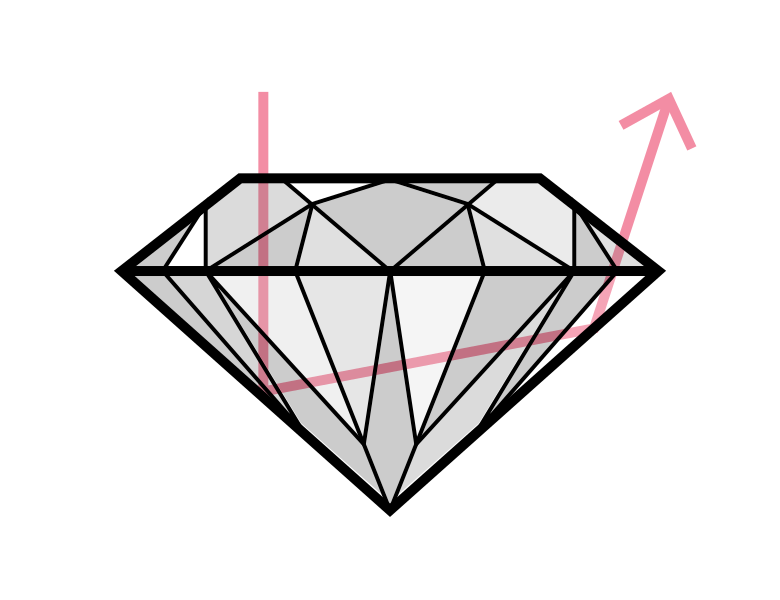
Good to Very Good cut diamonds offer a beautiful appearance with slightly less brilliance than Excellent grade stones.
A diamond’s cut measures its anatomy and ability to reflect light. Cut grades go from “Excellent” to “Poor”. Well-cut diamonds have outstanding proportions and immense fire, brilliance, and scintillation.
Near colorless, these diamonds offer a great balance of value and appearance, with minimal tint detectable to the naked eye.
Color refers to the natural tint of a diamond. The closer the diamond is to "colorless" the rarer it is. The industry standard to grading color in a diamond is to assign a letter grade from D (colorless) to J (nearly colorless).
Virtual
In-Person
Meet With Our Consultant
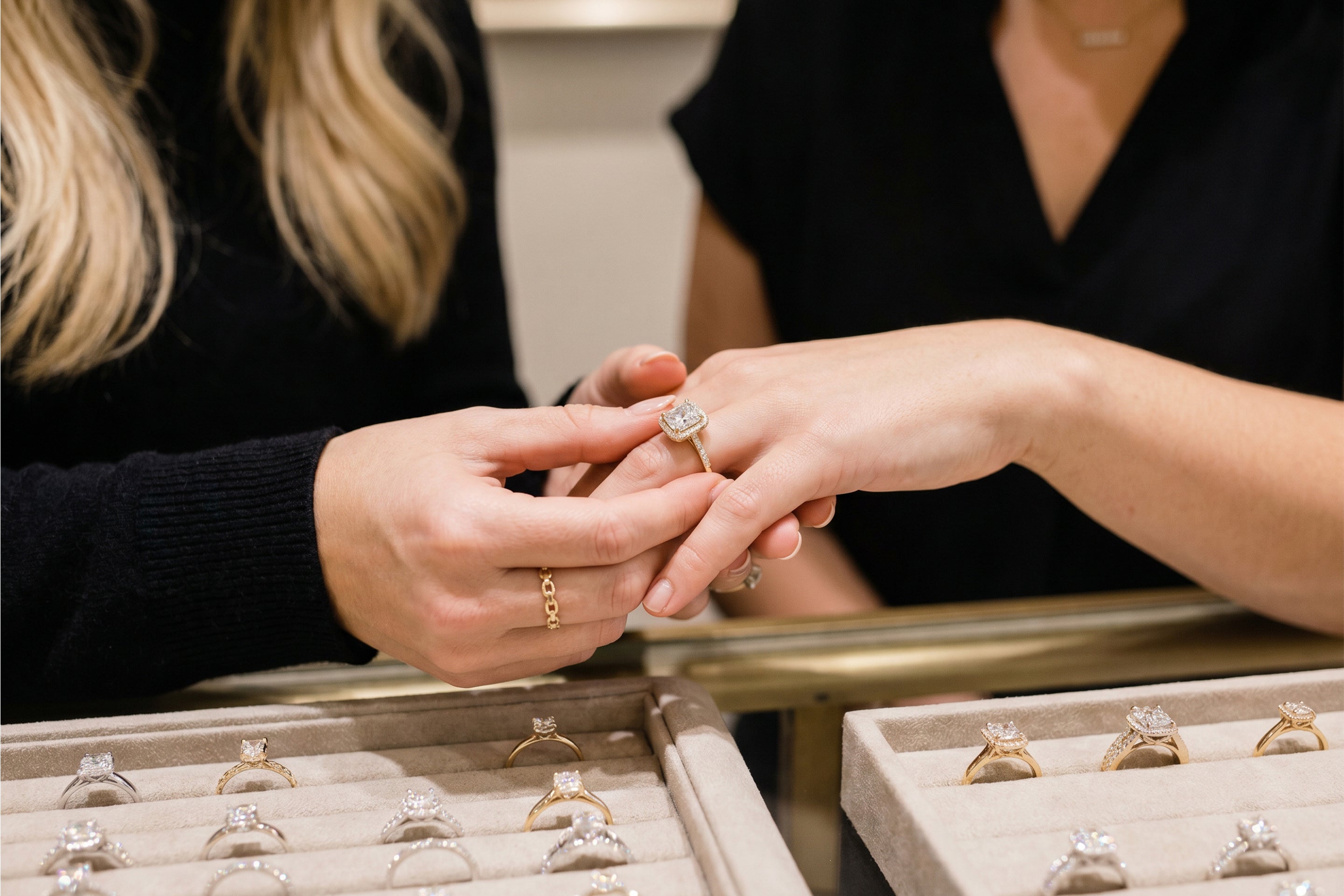
Book a personalized consultation with one of our jewelry experts in our showroom or in a one-on-one online session.


